Posts

Showing posts with the label Covid Care at Home

24*7 Curodoc Healthcare Pvt. Ltd.

Keeping Seniors Safe In Summers - Curodoc Healthcare

Image
  KEEPINGS SENIORS SAFE IN SUMMERS Summers can be an enjoyable weather for seniors where they can let their guards down and indulge in outdoor activities that can be relaxing for them. It is the best weather to enjoy a day at the beach or a picnic at the park with friends. While getting some essential vitamin D from the sun is important, with seniors there are always some risks involved. Keeping in mind their independence and their safety, here are some tips to keep in check before they leave home! Skin Care – Sun is without doubt the best natural source of vitamin D, but exposure to sun can take a toll on their skin. With age, their skin has become thin and delicate and sunburn is a cause of concern. When going outdoors, they should always use a sunscreen having at least 30 SPF or higher to prevent sunburns and heat marks. Comfortable Clothing – Summers mean wearing as less clothes as possible and yet keeping safe from suntans and sunburns, but feeling at ease and comfortable. ...
Home Isolation & Covid - Curodoc Healthcare

Image
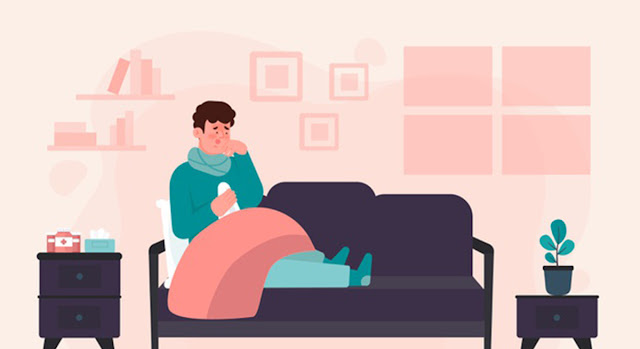
  HOME ISOLATION & COVID With increase in the number of daily cases, those who are having symptoms or test positive for COVID need to isolate for the required seven to fourteen day period in consideration with their symptoms. The best advice for those who test positive and who do or do not experience symptoms, self-isolation is the way to go. While you are isolating yourself at home, it is recommended that you follow some tips and tricks to keep yourself and other family members safe: Testing – Day 0, Day 5-7, and Day 14 Mask – Use N95 or surgical masks. Sanitization – Sanitize hands often, sanitize when you get home or to office. Distance – Avoid social gatherings and public places. Self Quarantine – All those who have been exposed to or have been within six feet of someone with a COVID positive diagnosis, even if for just 15 minutes, they should quarantine for five days irrespective of whether vaccinated or not. Self Isolation - People who are positive for...

Keep Seniors Safe During Omicron Surge - Curodoc Healthcare

Image
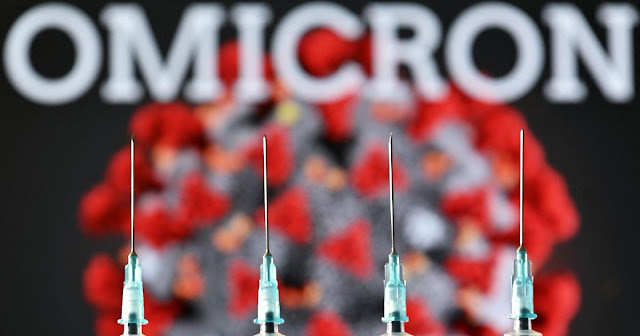
  ‘ Omicron ’ as declared by WHO as the variant of concern (VOC), has truly got the whole word in its fix. It primarily began with flu-like symptoms totally unrelated to the Delta variant and turned out to be highly infectious and caused as overnight rise in the number of cases, spreading across 60 countries with soaring numbers. Even though the rate of death due to this variant is low, but it’s severity particularly on seniors is not diminished. The Omicron – Hide and Seek Our biggest concern is the variants ability to evade the antibodies released into your body by the Covid-19 vaccines. It is new and developing rapidly. Omicron in Seniors The variant is a potential threat for people with weak immunity and pre-existing comorbidities - particularly elders! There are a few dos that our elders and seniors should follow to prevent this highly infectious variant. The Dos: Follow Covid-19 Protocols – Wear a facemask, wash hands regularly, maintain social distancing, and get...

Omicron Spreading Fast - Curodoc Healthcare

Image
OMICRON – SPREADING FAST With the increasing number of Omicron cases in India and the World reaching a record high and being a killjoy in this holiday season, even two years since the first emergence, wherein we all had hoped and prayed that it would now be fleeting. Being known as the most easily and fast spreading variant, Omicron , is becoming the dominant strain globally even with Delta still being present and infecting people. Statistics from around the globe have proven that Omicron infects 70 times faster than the other variants, although the complications and illness that it causes is not as severe, especially for those who are vaccinated. However, the speed of infection transmission and rate of increase in cases can still create havoc for the hospital, healthcare , and medical management facility worldwide, leaving them feeling as helpless and pressed upon to provide treatment and medical care for the unvaccinated, seriously ill, medically compromised, and those who might re...

Children and Omicron Scare - Curodoc Healthcare

Image
  CHILDREN AND OMICRON SCARE While the cases of Omicron have been increasing but the hospitalization rate is less. The infection trend is worrying for children who are testing positive for Covid-19. They are unvaccinated which is the most concerning point. The Omicron variant has spread rapidly across India, even though hospitalization and deaths remain low. According to reports, unvaccinated children and adults stand at a higher risk of getting Omicron than those who are vaccinated. Symptoms seen in children? According to doctors, the most common symptoms include high fever, headache, sore throat, cough, and runny nose. Some have even reported loss of smell or taste, although it is associated with Delta variant more. Complications from the virus such as obesity, diabetes, and lung disease are also on the rise amongst children. What Omicron might do in the long run is unknown due to its ability to spread, even amongst those who are fully vaccinated. All countries and medical facil...

Stress During COVID-19 - Curodoc Healthcare

Image
  STRESS DURING COVID Stress is one of the main factors that can be seen rising since the onset of COVID 19 pandemic . It has been two years, and yet still the simple mention of Coronavirus causes panic and upheaval in the people. Effects of stress on a person: Changes in appetite and energy Difficulty in concentrating Difficulty sleeping Feelings of fear, sadness, frustration, anger, worry, or numbness Worsening of pre-existing mental health conditions Increase in the use of tobacco, alcohol, and other substances Ways to cope with stress: Limit your exposure to news and updates about the virus. Staying informed is good, but constantly hearing about it can be upsetting. Take deep breaths, medicate, and stretch Sleep well Avoid overdoing alcohol or tobacco use Eat healthy and well-balanced meals Exercise regularly Indulge in fun activities that you enjoy Taking care of yourself and managing your stress can equip you to take care of others. During times of social distancing, it is im...

Covid-19 Testing in Delhi - Curodoc Healhcare

Image
  COVID TESTING COVID-19 tests can detect either SARS-CoV-2, the virus that causes COVID-19 , or antibodies that your body makes after getting infected or vaccinated. RT-PCR tests for COVID, like other infectious tests, can tell you if you have an infection at the current time. Antibody test can tell you if you have had an infection in the past. RT-PCR Tests There are two types of tests: laboratory and rapid tests. Samples are taken from the nose or mouth. Laboratory tests take 24 hours for reporting. Rapid tests are self-test kits which can be performed in minutes and can give the result in 2 to 3 hours. COVID-19 self-test kit is a big part of risk reduction measure, along with vaccination, masking, and physical distancing, that protects you and others by reducing the chances of spreading the virus. Antibody Tests An antibody test can detect antibodies to COVID virus in your blood that your immune system makes to help fight infection and protect you from getting...

What We Know About Omicron - Curodoc Healthcare

Image
WHAT WE KNOW ABOUT OMICRON Over the last month, Omicron has proved itself as a highly transmissible COVID variant that is now spreading at a rapid pace across the world.   Symptoms: Fever Loss of appetite Nausea Headache Loss of taste and smell Scratchy or sore throat Generalized weakness Nasal congestion Dry cough Generalized muscle pain, especially low back pain Booster Dose: Several studies have shown that those who are fully vaccinated and get a booster shot, they have better protection against the infection. Even without a booster, two doses of any vaccine does appear to protect against any severe complication of Omicron or the need for supportive oxygen . In response to the increased presence of the virus, throughout the world, countries have reinvigorated vaccination efforts with an aim to prepare better for Omicron increase in the weeks to come. Omicron – Are We Prepared? Even if Omicron turns out to be milder and less fatal than other variants, it would still push hospita...

COVID Prevention Tips - Curodoc Healthcare

Image
  COVID PREVENTION TIPS       Get Vaccinated. Getting a jab against the notorious virus is the only way to prevent severe symptoms and the chances of getting COVID. Go to the nearest medical center to get vaccinated. ·       Wear a mask. A mask by itself can help prevent the spread of the COVID19 virus . Using proper surgical masks or N95 are advised. Using double masks while in crowded places outdoors like market, grocery store, etc is advisable. Do not use a cloth mask by itself, as it is not effective alone. Cloth mask can be used in double masking technique and should be washed in antiseptic liquid after each use. ·        Wash hands and face regularly. Use warm water and soap to wash your hands and face regularly, especially when you are coming home from outside. While outdoors, use a hand sanitizer especially after touching anything, including doorknobs, handshakes, your phone or laptop. · ...

Guidelines for COVID-19 Vaccination in India

Image
  COVID VACCINATION FOR CHILDREN - INDIA With Omicron prevailing over the world news and the healthcare scene, India has taken the next step in the vaccination stage. What America, Canada, and other countries had started in the mid of 2021, India finally on 3 rd January 2022 is launching COVID vaccination drive for children in the age group of 15 to 18 years. India has completed 142 billion vaccinations with over 60% of the eligible population being fully vaccinated. The largest vaccination drive of the world, was started by the Indian government from January 2021 and they have not looked back even once. Even when they were starting to have shortage of vaccination for their own citizens, they still distributed 58 million vaccinations to 65 nations that they had promised to help. In a huge country as India, having over 90% of frontline and healthcare workers fully vaccinated with both doses was a task, but it was achieved in record time and since the onset of Omicron, booster ...

Long-Term Effects of COVID - Curodoc Healthcare

Image
LONG-TERM EFFECTS OF COVID Most people who have contracted COVID-19 have recovered completely within a few weeks to a month, but even then they continue to experience mild symptoms. These are commonly known as post-COVID conditions are can persist for six months up to a year. Elder people and those with preexisting medical conditions are likely to experience long lasting symptoms, also even the youngsters with a compromised immune system can also have these symptoms. Common long-term symptoms include: Fatigue Shortness of breath or difficulty breathing Cough Body Ache Chest pain Memory, concentration or sleep problems Headache Fast or pounding heartbeat Loss of smell or taste Depression or anxiety Fever Dizziness when you stand Secondary organ damage related to COVID-19 Primarily affecting the lungs, COVID-19 in the long run has affected other organs including the heart, kidney, and brain. Organ damage can lead to complications like long-term breathing problems, heart complications,...